Menu

PET-CT Scan vs CT Scan: Which Is Right for You? in Pashan

What is a CT Scan and How Does It Work? in Pashan

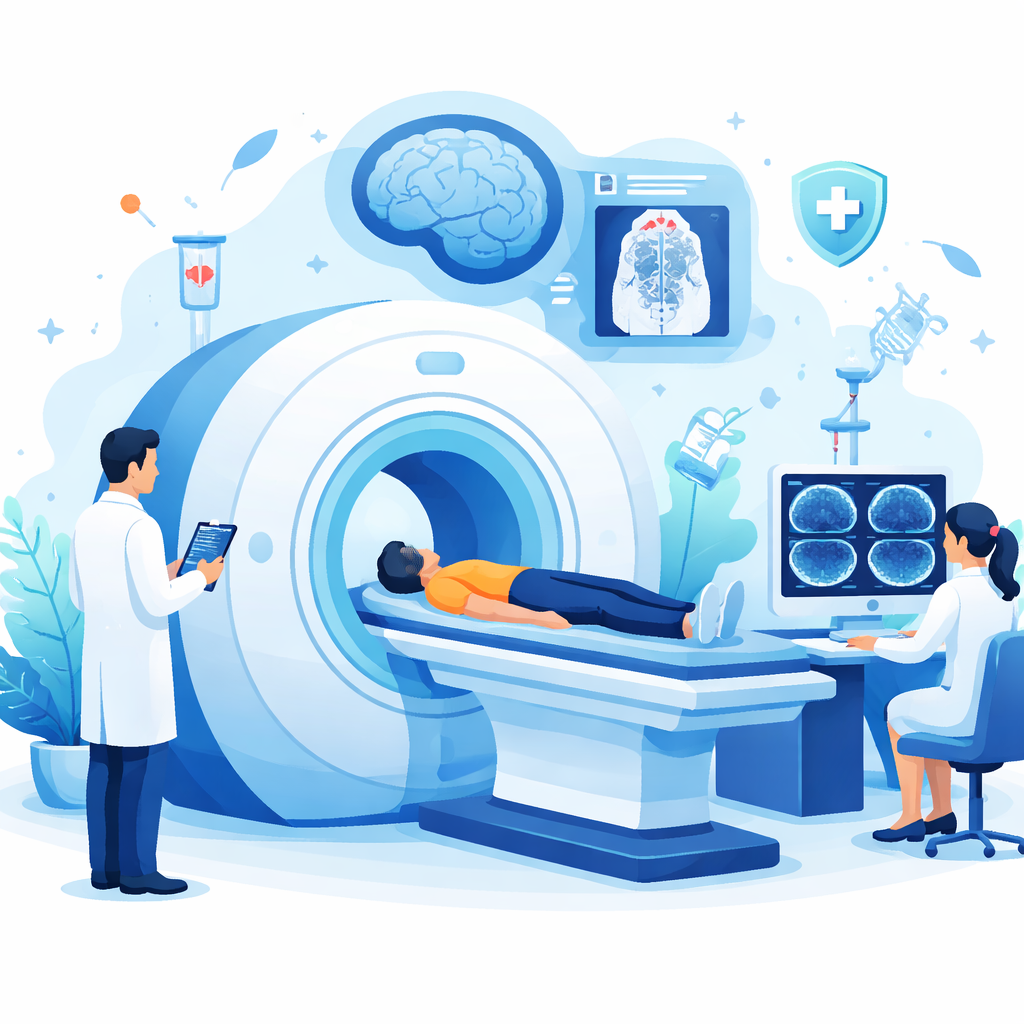
A CT scan, or computed tomography scan, is a vital tool in medical diagnostics. It combines a series of X-ray images taken from different angles around your body and compiles them to create cross-sectional images, or slices, of bones, blood vessels, and soft tissues inside your body. This technology offers detailed information that is not immediately visible on regular X-rays, making it indispensable for diagnosing a range of conditions such as cancer, cardiovascular diseases, infectious diseases, trauma, and musculoskeletal disorders. Advanced imaging technology like CT scans has revolutionized healthcare, making it possible to detect diseases earlier and more accurately. One of the key advantages is its speed and precision; a full-body CT scan can be completed in a matter of minutes, making it ideal for emergency diagnostics. While generally safe, CT scans involve exposur
e to a small amount of radiation, which is an important consideration for frequent use. Physicians may prefer a CT scan when detailed bone images or complex fractures need to be visualized. This noninvasive technique helps medical professionals obtain the necessary information to devise an effective treatment plan.


Understanding PET-CT Scans and Their Applications in Pashan

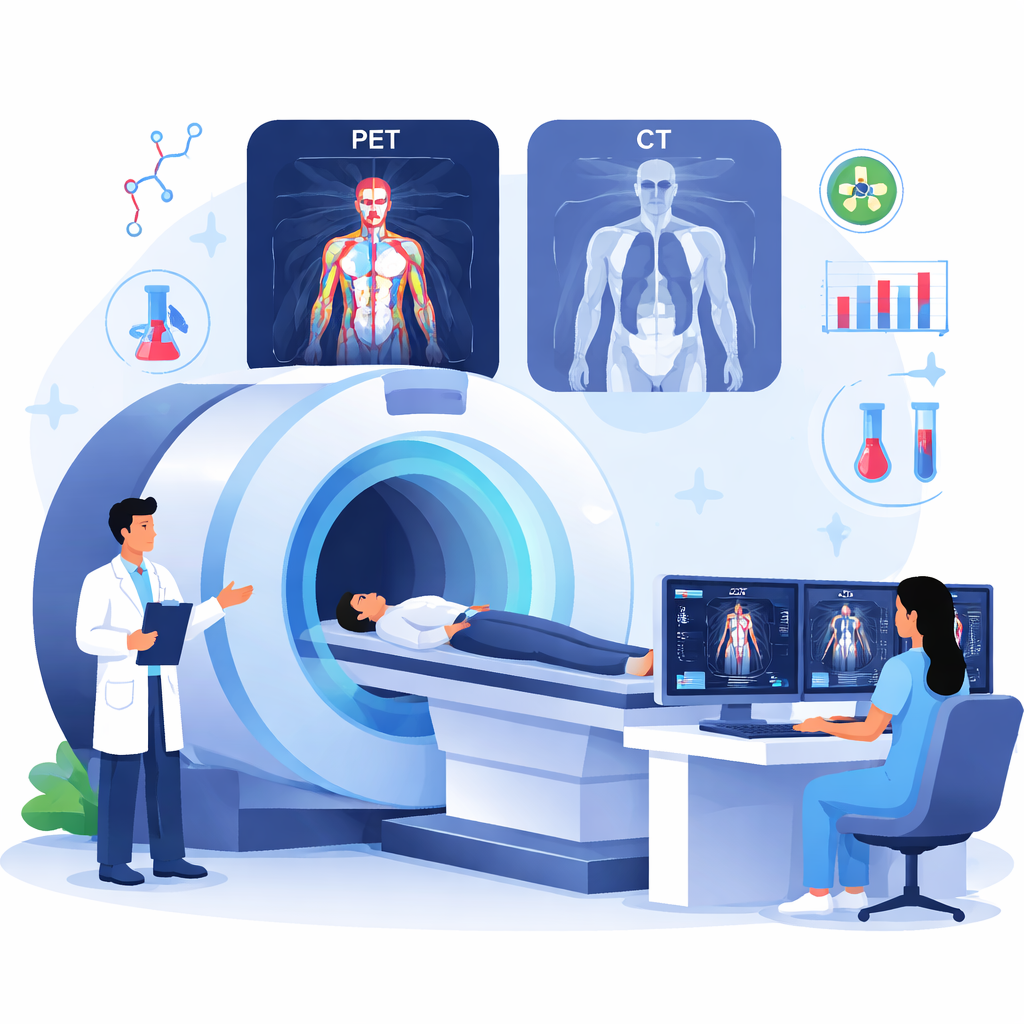
A PET-CT scan is a combination of two imaging techniques: positron emission tomography (PET) and computed tomography (CT). This dual approach allows doctors to obtain metabolic and anatomical information, which is crucial for a comprehensive diagnosis. The PET component involves the injection of a small amount of radioactive material, which accumulates in areas of high metabolic activity such as cancer cells. This enables the detection of tumors at very early stages, providing information on not only the size and location of a tumor but also its metabolic activity. PET-CT scans are particularly beneficial in cancer screening and are frequently used to evaluate the effectiveness of treatments by comparing pre- and post-treatment scans. They also play a crucial role in cardiac evaluations and brain imaging for neurological disorders. While PET-CT scans provide a valuable dept
h of information, the procedure is more costly and time-consuming than a standard CT scan. Patients should discuss with their physician whether the detailed metabolic information offered by a PET-CT scan is necessary for their specific medical condition.

Advantages of PET-CT Over CT Scans in Pashan

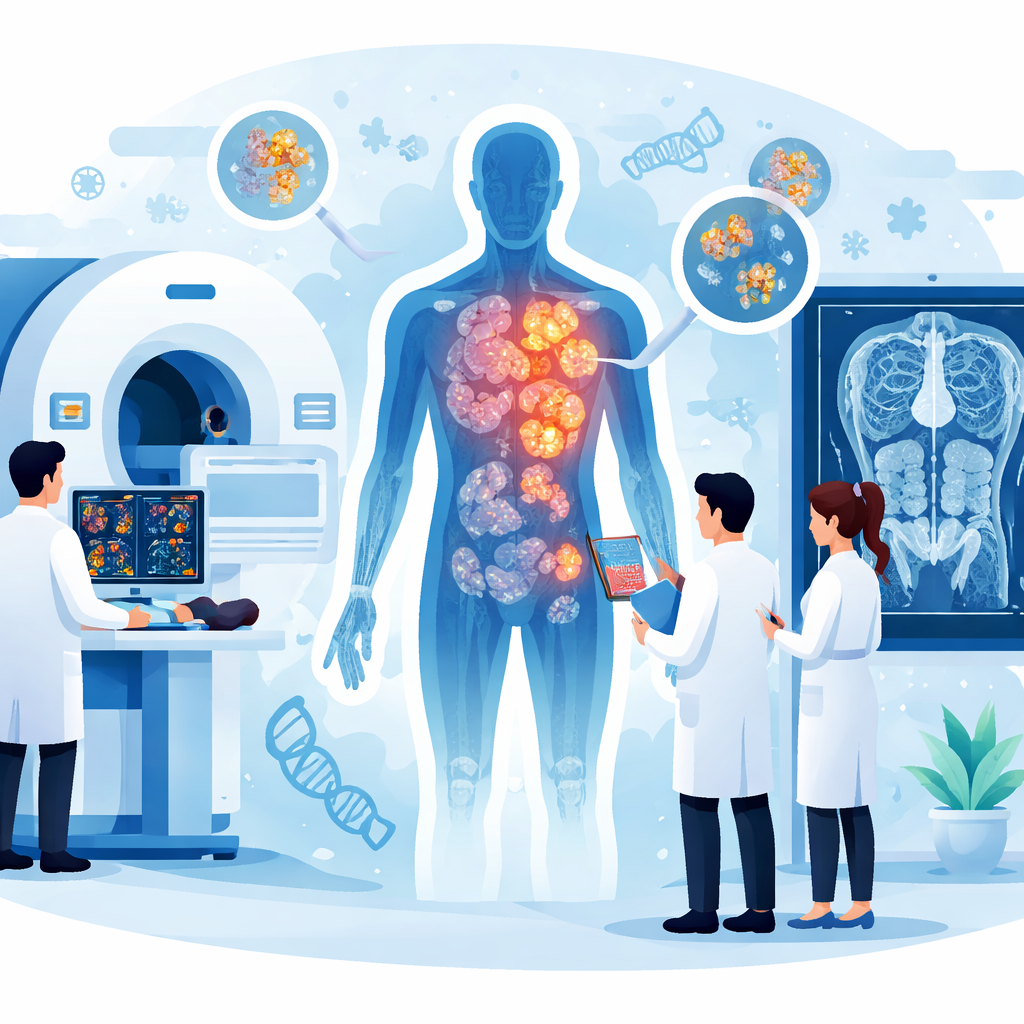
When comparing PET-CT scans to traditional CT scans, one of the primary benefits of PET-CT is its ability to identify disease at a cellular level, which can be critical in detecting cancer before it is visible on other imaging tests. This advanced capability allows for early intervention and improved treatment outcomes. Additionally, PET-CT scans are uniquely capable of differentiating between benign and malignant tumors, helping avoid unnecessary surgeries and enabling more targeted treatments. While both PET-CT and CT scans are noninvasive, the former offers more comprehensive data by combining the structural information from CT scans with functional imaging. Consequently, it is highly effective for monitoring how a patient is responding to treatment. Despite these advantages, PET-CT scans are generally not used for emergency diagnostics due to the longer preparation and
procedure time required. The ideal use case is often in complex or chronic conditions where such detailed imaging significantly impacts treatment decisions. Discussing with healthcare providers like Dr. Vivek Bande can help patients understand when a PET-CT scan might be more appropriate than a CT scan.

Deciding Between PET-CT and CT Scans in Pashan

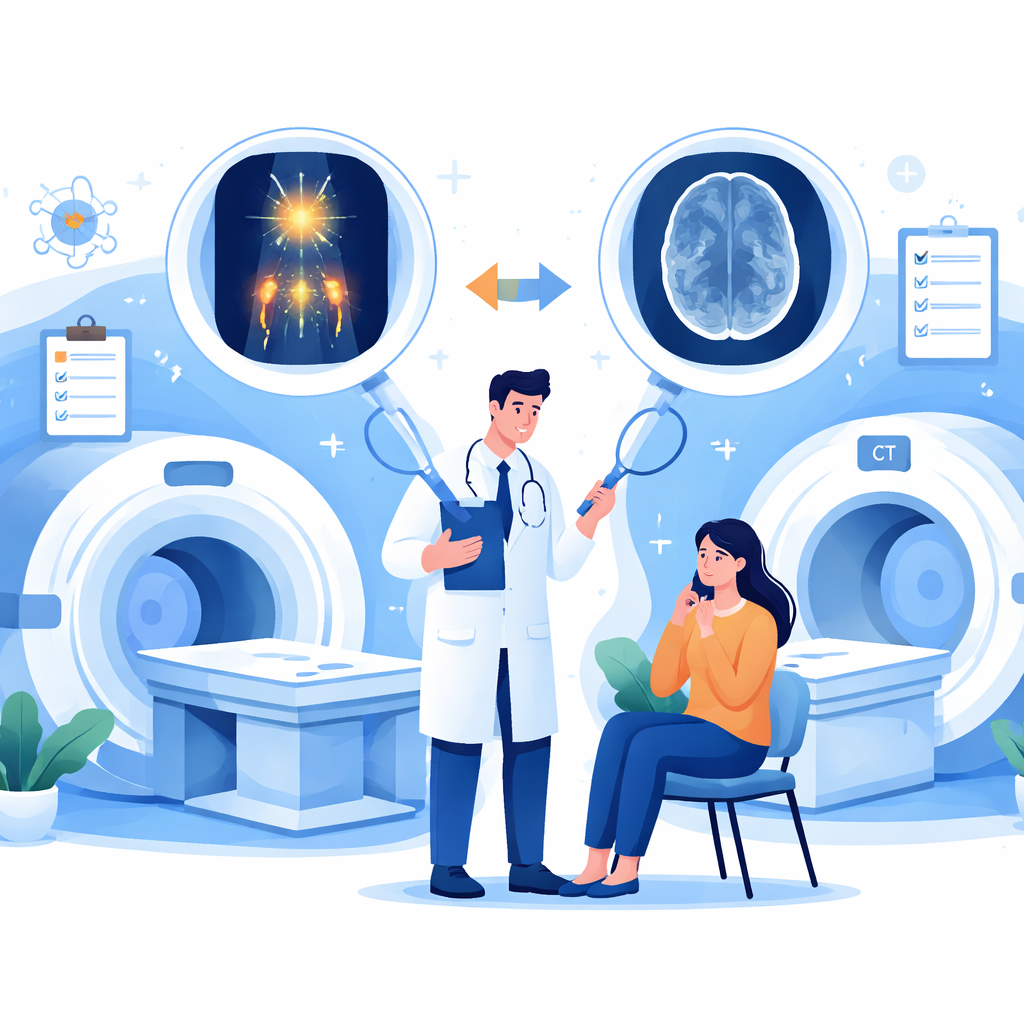
Deciding between a PET-CT scan and a CT scan depends largely on the specific diagnostic requirement and the patient's health condition. While CT scans are often sufficient for a wide range of common diagnostic needs, including fractures and certain types of infections, PET-CT scans provide an additional layer of information that can be crucial for a more definite diagnosis in complex cases such as cancer. It's essential to have a thorough discussion with your doctor about the necessity, benefits, and potential risks of each scan before proceeding. Financial considerations also play a role as PET-CT scans are significantly more expensive due to the advanced technology and the requirement for radioactive tracers. Insurance coverage varies, so patients must consider potential out-of-pocket costs. Ultimately, the decision will revolve around what information is essential for th
e healthcare provider to create an optimized treatment plan. Engaging with medical experts like Dr. Vivek Bande, known for their expertise and integrity, can guide patients in making informed decisions about their health diagnostics.

Frequently Asked Questions

What is the main difference between PET-CT and CT scans?
The main difference between PET-CT and CT scans is that a PET-CT scan provides both metabolic and anatomical information, offering a more comprehensive view of a disease. CT scans primarily give detailed anatomical images, useful for visualizing bones, organs, and tissues.
When should I consider getting a PET-CT scan?
Consider a PET-CT scan if your doctor needs detailed metabolic information or if it's crucial to diagnose a condition at a cellular level, such as in certain cancers or neurological disorders. Discussing your specific needs with a healthcare professional is essential for making the right choice.
Are there any risks associated with CT and PET-CT scans?
Both CT and PET-CT scans expose patients to small amounts of radiation. While generally considered safe, repeated exposure can increase certain health risks. It's important to discuss these risks with your healthcare provider, especially if frequent imaging is required, to ensure optimal benefit-risk balance.
How do I prepare for a PET-CT scan compared to a CT scan?
Preparation for a PET-CT scan includes fasting for several hours, unlike a regular CT scan, which often requires minimal prep. Patients should follow specific instructions provided by their healthcare provider to ensure accurate results, such as avoiding strenuous exercise before a PET-CT scan.
Is a PET-CT scan covered by insurance?
Insurance coverage for PET-CT scans varies depending on the provider and the medical necessity. It's important to verify with your insurance company whether this advanced diagnostic tool is covered under your plan to avoid unexpected expenses. Consult with your healthcare provider for guidance on coverage.
Call Us Now
Chat With Us